CLSA conferences aim to provide a positive knowledge-building experience for participants regardless of gender identity, sexuality, age, ability, race, ethnicity, religion or career stage.
Challenging questions are essential to inquiry; they must be delivered with respect for colleagues. Harassment, aggressive or offensive comments directed at participants, sustained disruption and inappropriate physical contact are not acceptable.
Before an event
Read the organiser’s reporting procedure and accessibility information. If an incident occurs, contact the named conference organiser. This page does not operate an incident reporting service.
Scope
The guidelines also apply at conference-related social events.
Sources & further reading
https://www.acds-clsa.ca/meetings.html ↗https://www.acds-clsa.ca/uploads/1/2/5/5/125505866/code_of_conduct.docx ↗Find the event’s reporting route without inventing one
A conduct principle and an operational reporting procedure answer different questions. Before attending a meeting, keep a short private record of both. This is a preparation exercise; do not put an incident narrative or another person's details into a public worksheet.
- Open the organiser’s actual event page and record the event name and dates. An earlier meeting’s contact is not automatically responsible for a later one.
- Read the complete code linked by the organiser. Record its scope separately from the details it does not supply, such as a named recipient, submission channel or response time.
- Look for the current event’s reporting and accessibility instructions. Verify the named role and contact against that page. If the route is missing, ask the organiser for the procedure through its published general enquiry route; do not label that general address a confidential reporting service.
- Save the verified procedure and date privately. Check what information is requested and who receives it before sending sensitive details. Do not promise anonymity, a response deadline or a particular outcome without an explicit source.
Completed document check C-1
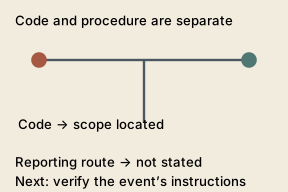
The association’s linked DOCX describes expectations for conference attendees, speakers and volunteers, including conference-related social events. The retrieved document contains no named incident recipient, reporting address or response deadline. Record: conduct scope located; event-specific reporting route not established by this document. This is a finding about the document, not an allegation about an event.
Reusable record: event/date ___; organiser’s page ___; code/version ___; scope ___; event-specific procedure ___; recipient role and source ___; unresolved field ___; checked on ___. The DOCX has no visible publication date; the retrieval date, 18 November 2026, is not a publication date. Follow the organiser’s actual urgent-help instructions where relevant; this site does not receive incident reports.